Two Magento specialist stores, migrated to Shopify
Fatima runs two of the largest selections of handmade quaichs and tankards online. Both catalogues moved off Magento onto Shopify, every page, every product, every URL accounted for.
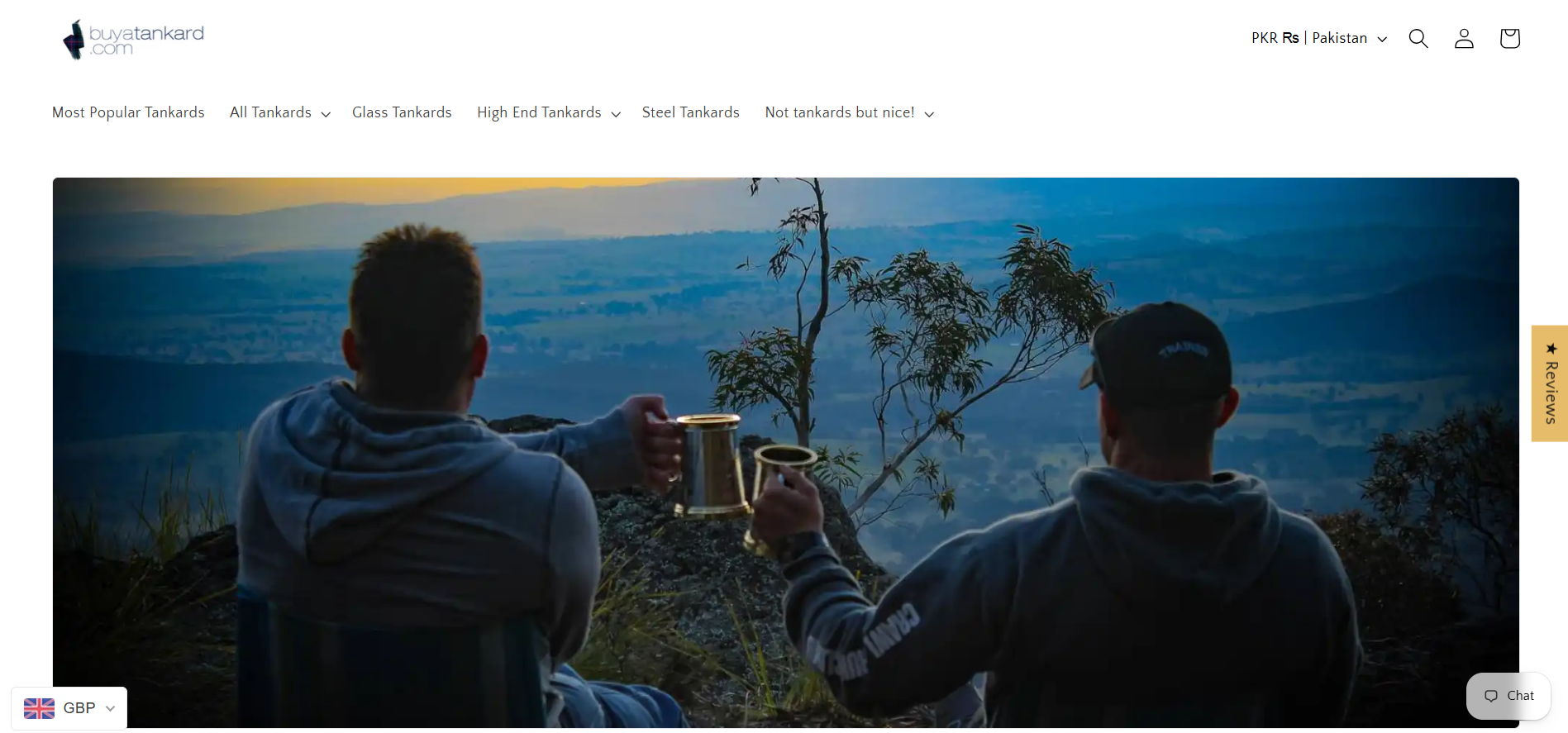
A specialist catalogue on a platform built for someone else.
BuyAQuaich and BuyATankard are unique retailers: handmade Scottish quaichs and pewter tankards, one of the largest selections anywhere, much of it personalised with engraving. That kind of catalogue is all detail: variants, materials, capacities, engraving options, and it had been modelled in Magento over years.
Magento was doing the job at a cost Fatima was paying twice, once per store: hosting, extensions, and a developer needed for changes that should be routine. The brief was to move both storefronts onto Shopify in full (all pages, not a phased subset) without losing the product detail or the search rankings the shops depend on for such specific terms.
Four stages, run twice.
Mapped the Magento data model
Products, attributes, categories, customers and order history mapped to Shopify's structures before any export ran. Magento's attribute sets don't translate one to one, and the mapping is where a migration is won or lost.
Migrated both catalogues in full
Every product, variant, image and description transferred across both stores, with engraving and personalisation options rebuilt as Shopify variants and line-item properties rather than left behind.
Rebuilt every page on Shopify
Home, collection, product, and the content pages that carry a specialist shop's authority such as sizing, materials and engraving guidance, rebuilt as editable theme sections so Fatima can maintain them without a developer.
Redirects, then a clean cutover
Magento URLs mapped to their Shopify equivalents and redirected at launch, so the rankings these niche terms had accumulated survived the move. Both stores went live without a gap in trading.
Both stores on Shopify.
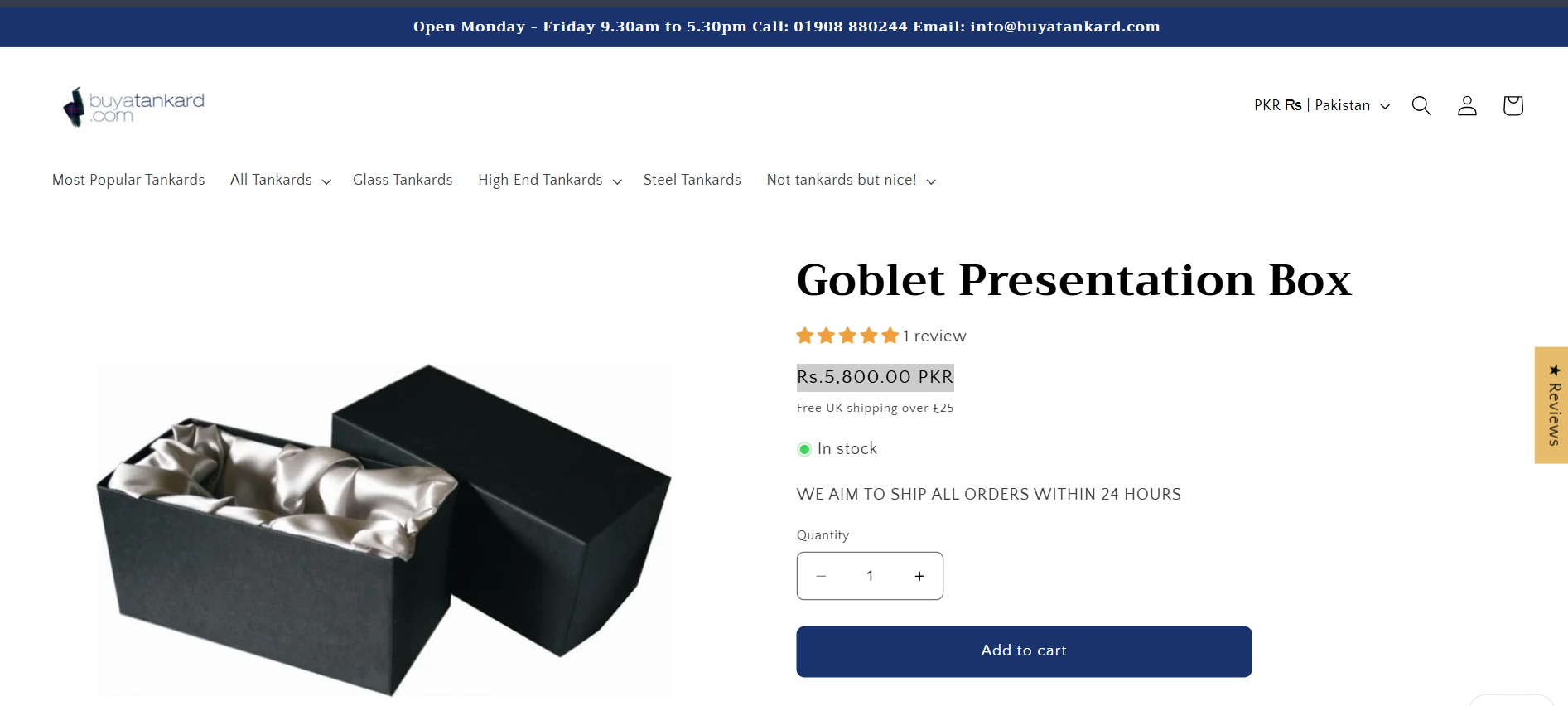
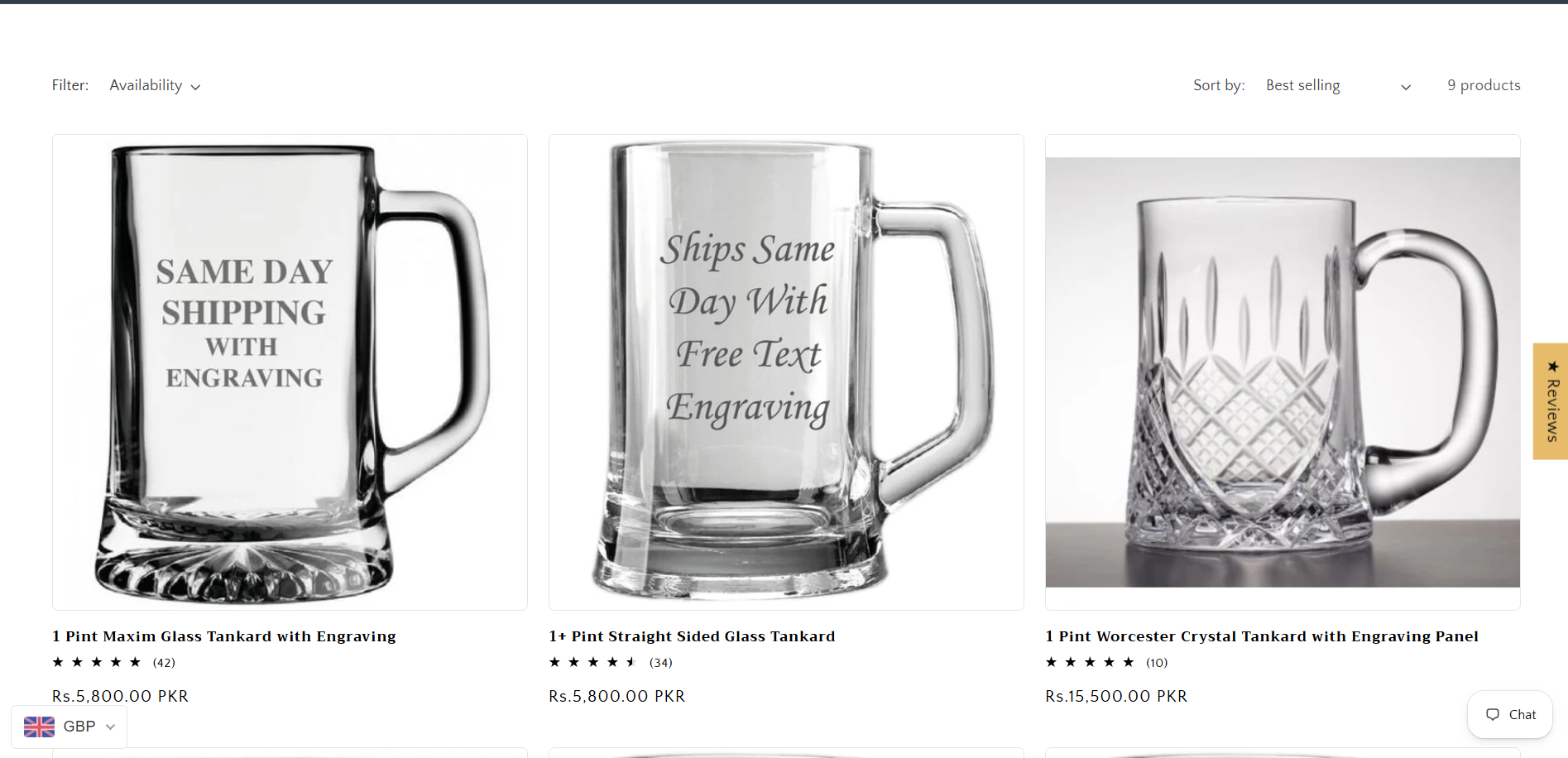
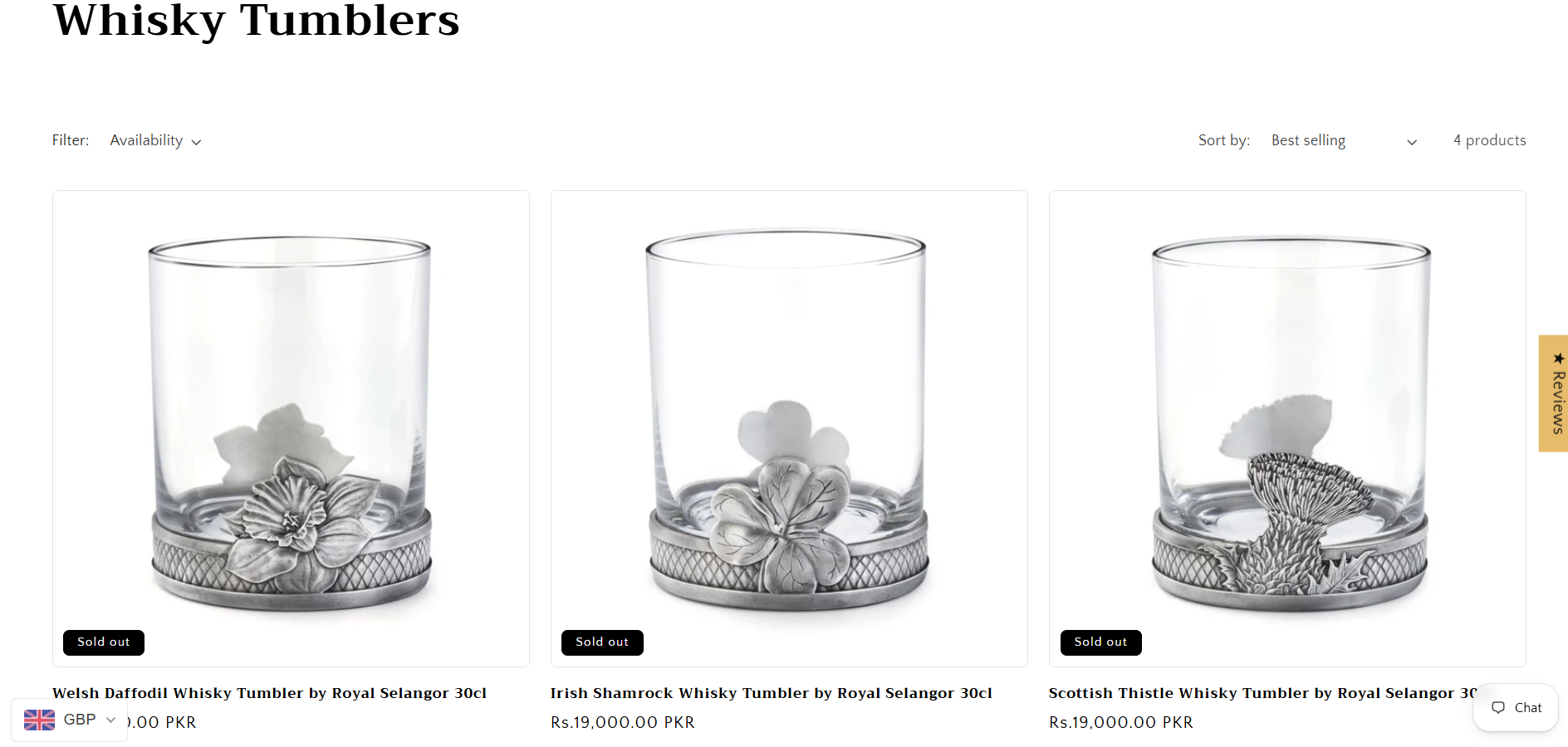
Two stores is not twice one store.
The temptation with sister stores is to migrate the first, then repeat. That doubles the mistakes as reliably as it doubles the work. Doing the data mapping once, as a decision about how Magento attributes become Shopify options, meant the second migration was an execution of a proven mapping rather than a second discovery exercise, and it kept both catalogues structured the same way afterwards, which matters the first time Fatima wants the same change on both.
The other quiet risk on a niche catalogue is search. A shop selling quaichs ranks for a handful of terms nobody else competes hard for, and that position is worth more than any redesign. Mapping the old URLs before the cutover, rather than discovering the 404s from the analytics afterwards, is the unglamorous half of the job that protects it.
Off Magento, both of them.
Kennedy Wellness
Paying for Magento?
Send me your catalogue size and your extension list. I'll tell you what the migration actually involves before you commit.
Start a conversation